Reconnecting the Community
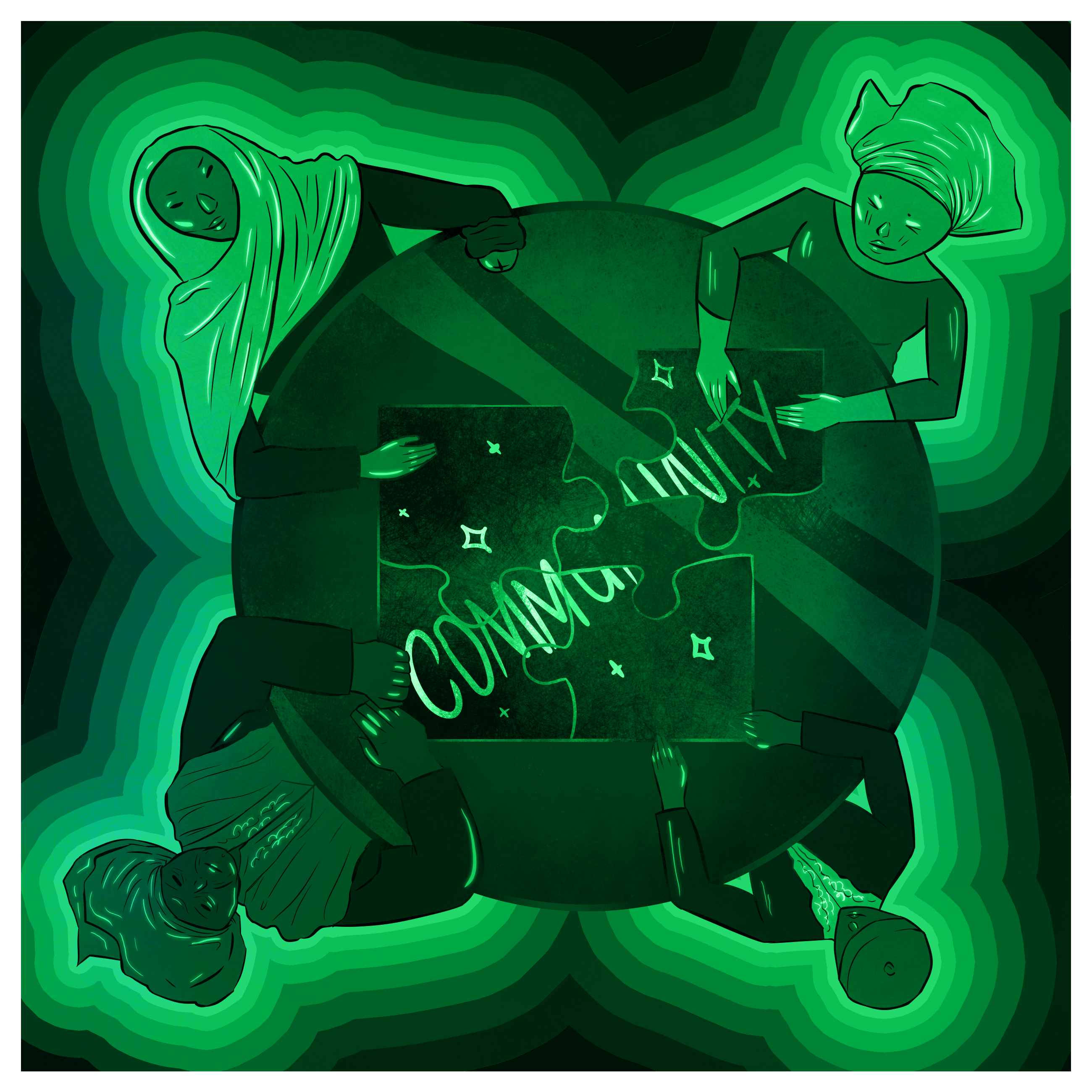
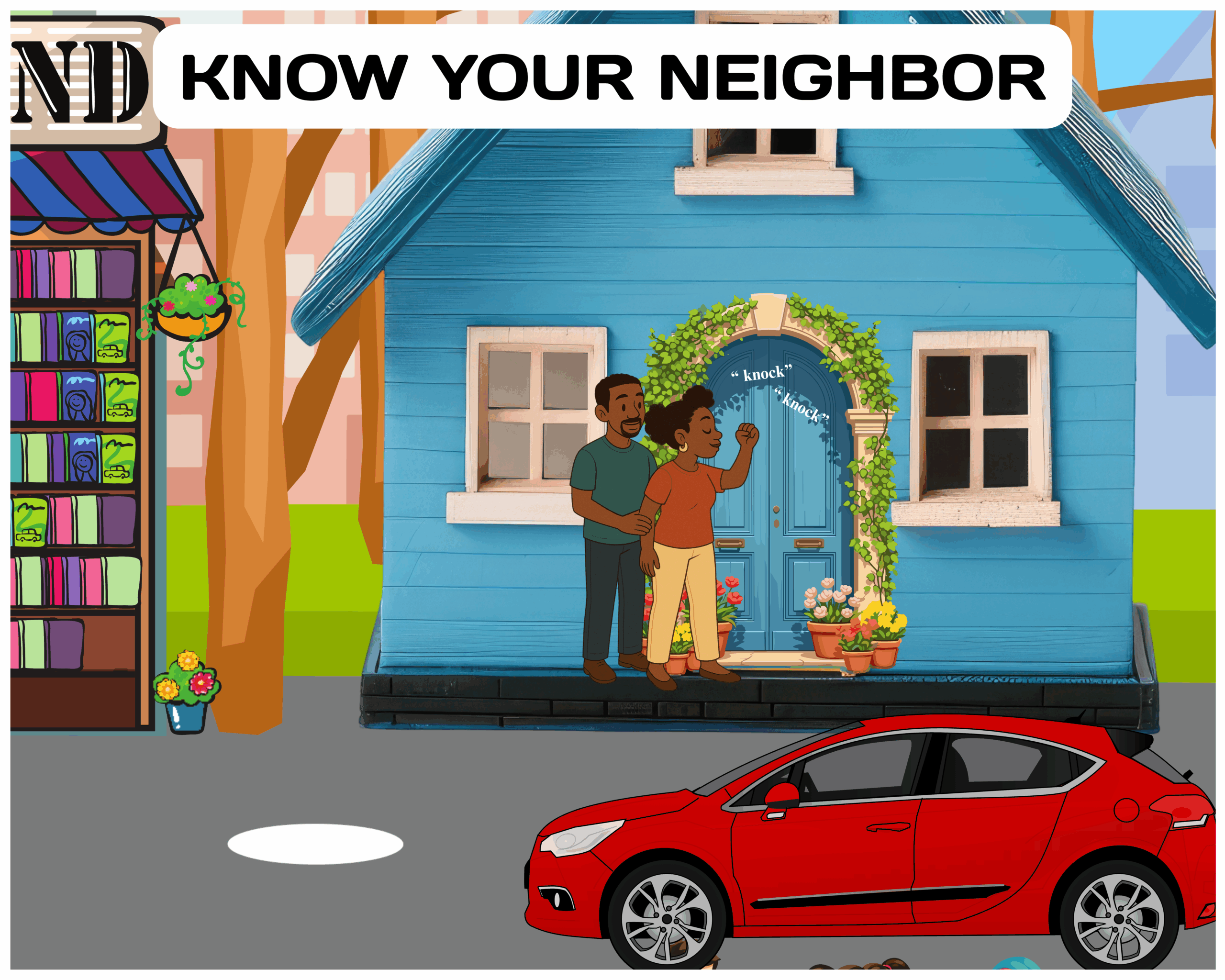
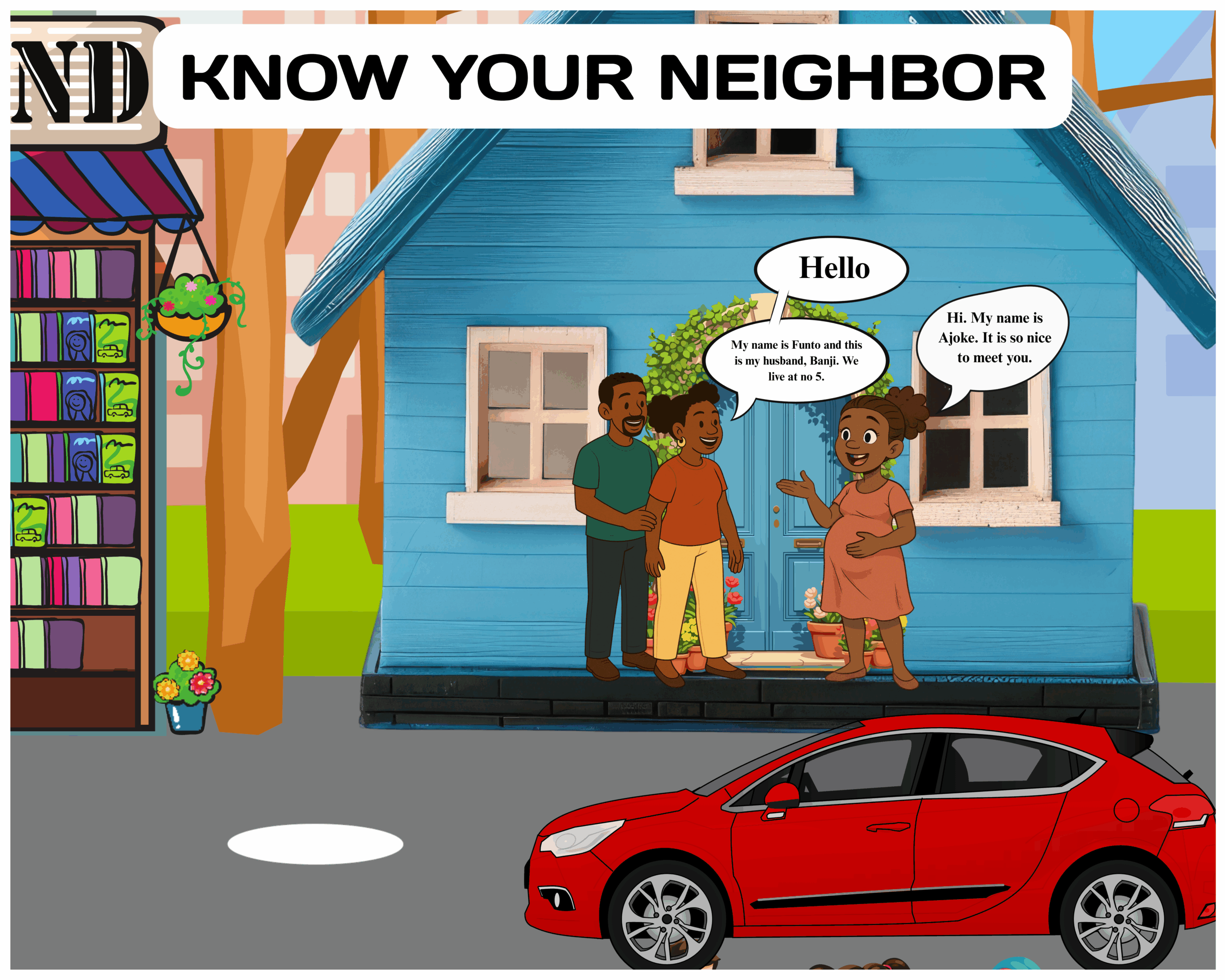
Do you actually know your neighbour? Like… really know them?
Take Mr A, for example. He lives in the flat just below Mr B. They’ve been neighbours for five years. Mr A knows Mr B’s surname, what time he usually gets home, and even when he runs his generator. But beyond a few random details, they’ve never had a proper chat.
Sound familiar?
Sadly, this kind of thing is pretty common in Lagos. Even in estates that were designed to encourage a sense of community, many of us now live in our own little bubbles. Over time, we’ve slowly pulled away from one another, not just physically, but emotionally too.
These days, just getting to someone’s front door feels like an obstacle course: you go through the estate security, then a house guard, maybe even a curious maid, then fences, then burglar bars… and that’s before you get to knock.
And let’s be honest, life is hectic. We spend hours commuting, working hard, trying to stay safe. Technology’s made it easier to message someone across the world than to greet the person next door. Somewhere along the line, we stopped building real connections.
But here’s the thing: community matters. Being neighbourly matters. A simple “hello” or check-in can go a long way.
Let’s not lose the human part of living side by side.
Ideas to Help Us Reside Harmoniously and Progressively with Our Community and Their Advantages
Neighbourhood Groups:
Explore Your Community:
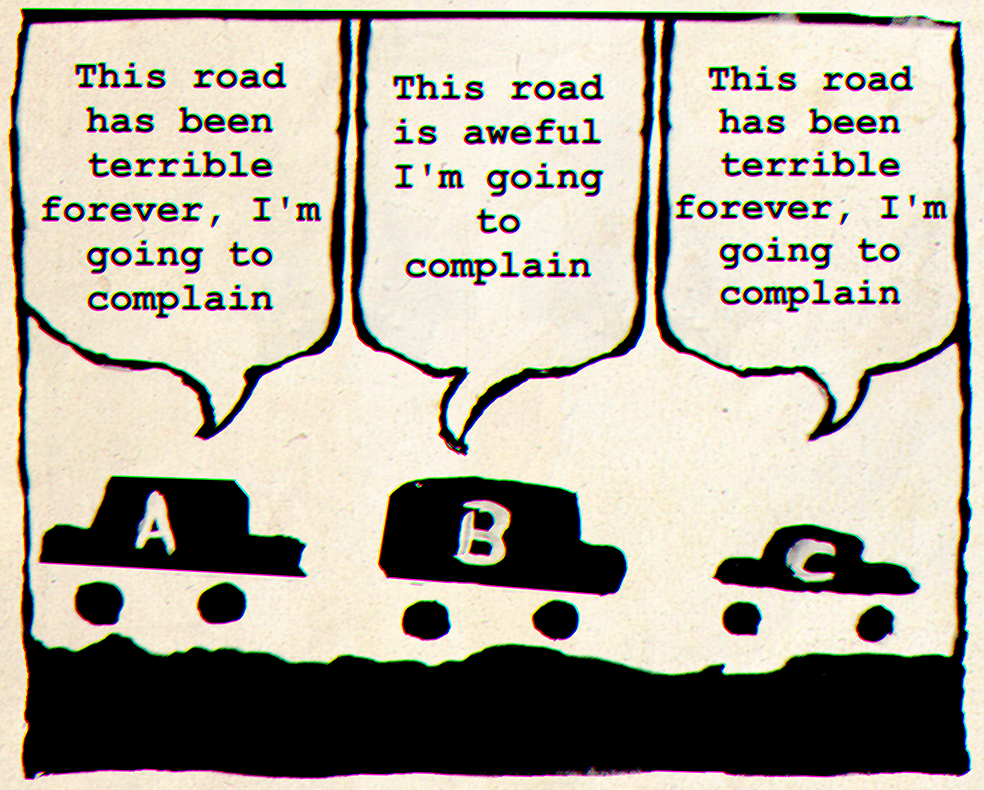
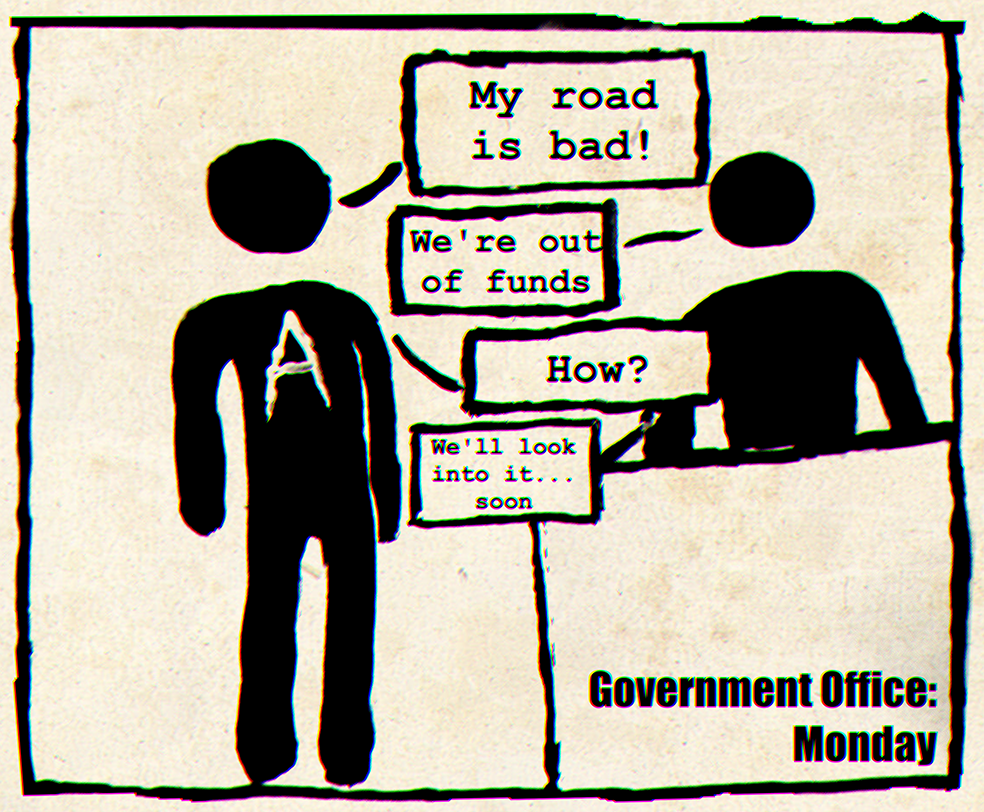
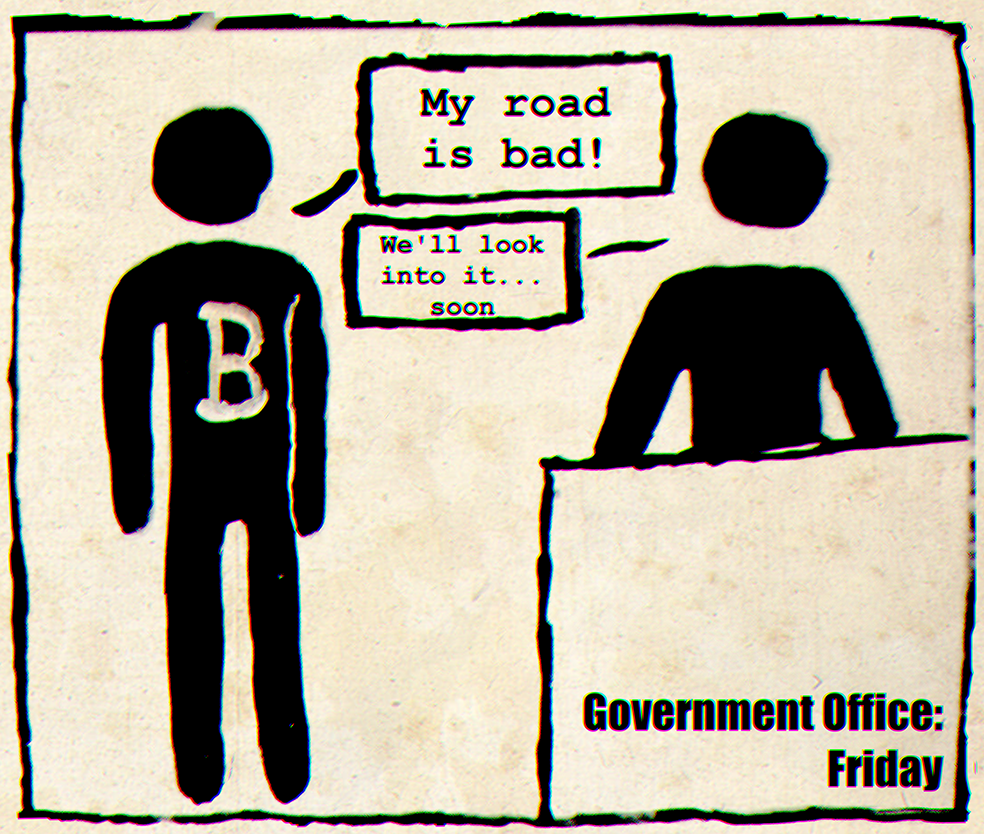
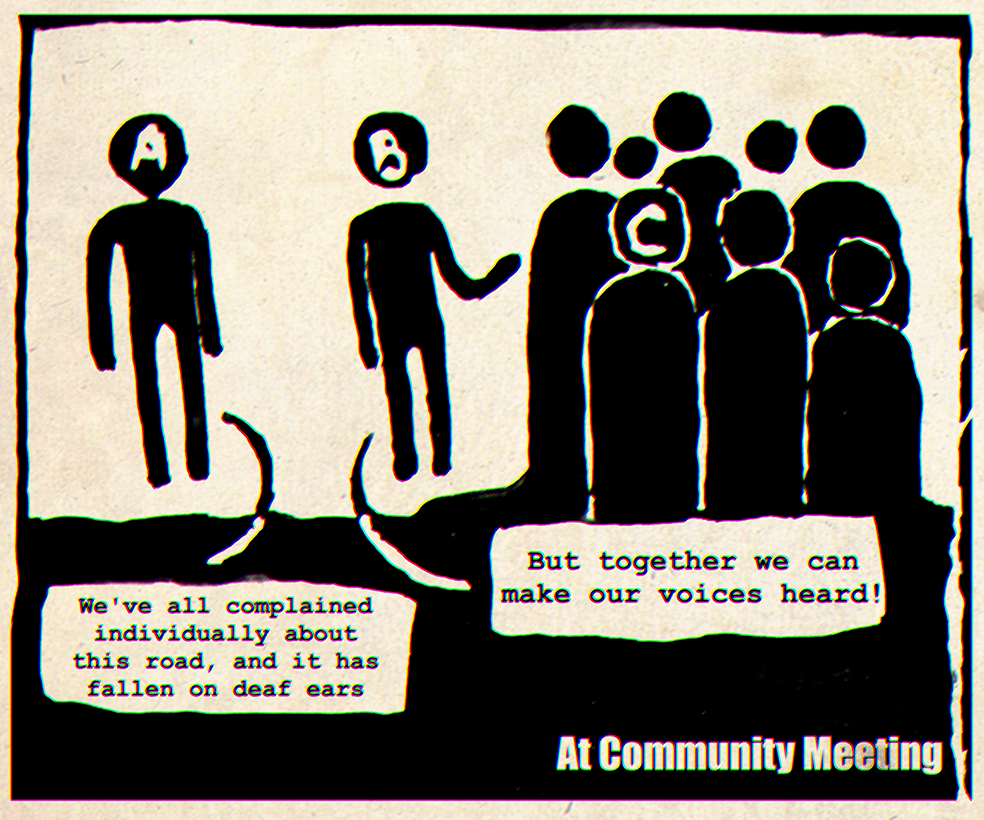
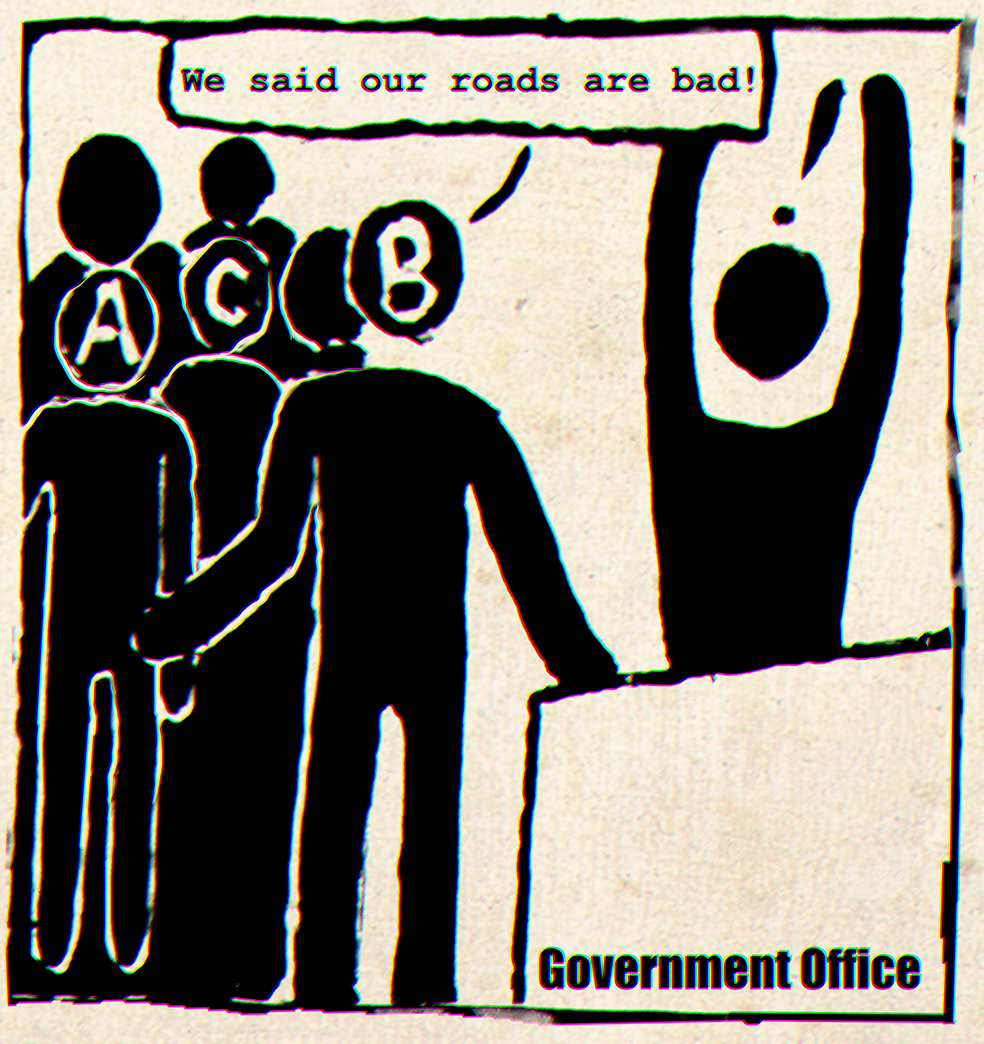
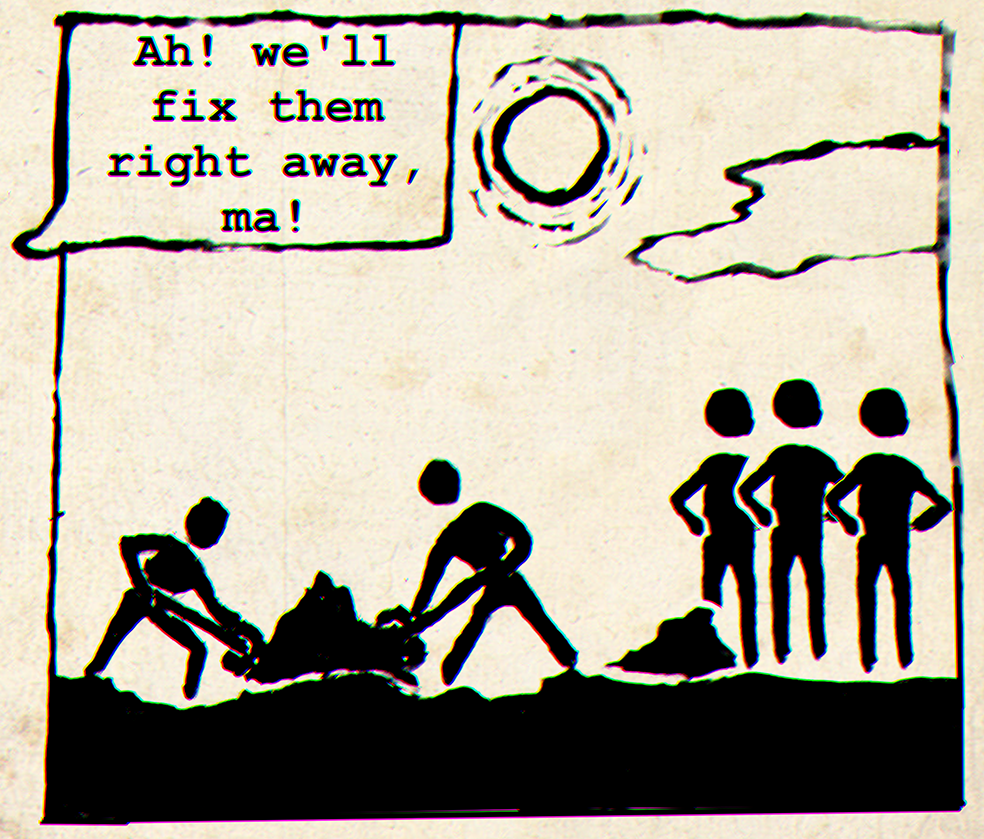
Community action really does matter. One person complaining about bad roads or poor electricity might get ignored. But when an entire street or estate speaks up together, it’s much harder to brush off. Real change doesn’t come from one voice alone, it comes when people come together and speak as one.
That’s why neighbourhood or estate groups are so important. If you’re not part of yours yet, now’s a great time to join. And if your area doesn’t have one at all, why not take the lead and start one? When you come together as a group, your concerns hold more weight, whether you’re writing to local authorities or pushing for better services.
These groups also offer more than just complaints and petitions. They’re a great place to meet others who might have helpful advice, share useful contacts, or even offer support for things you’re going through. Some people you meet might become friends, or even turn out to be just the right person to help you with something you’ve been stuck on.
Get involved. Attend the meetings. Speak up, but also listen. Try to keep things neutral when it comes to politics, it’s best to focus on the common good. At the same time, stay sharp. Not everyone comes with good intentions, and some may have their own agendas.
Most importantly, be patient. Not everyone will see things your way, and that’s okay. Pushing your own ideas too hard can close doors. But when we slow down, listen properly, and talk things through, we build real trust, and that’s the foundation of any strong community.
Take a walk around and truly get to know your area. Know what is sold where, where to find first aid supplies late at night, and where your nearest hospital, fire station, and police station are located. Being familiar with these local facilities isn’t just about convenience—it’s about safety, preparedness, and connection.
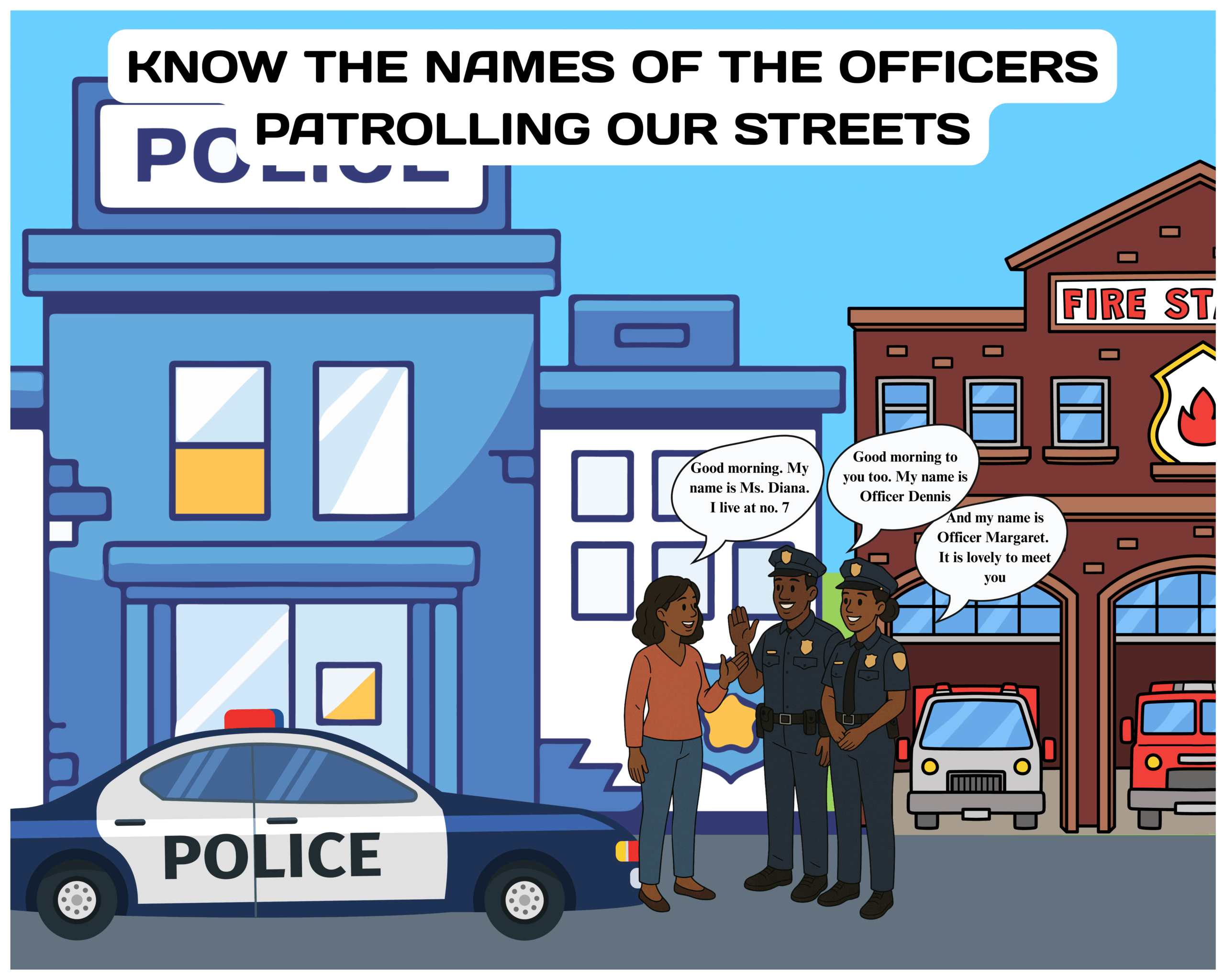
Find out where your nearest fire station is, get to know the officials, and keep their contact details handy. While the Lagos State emergency lines do work, having a direct line to the people behind the job can make a real difference in urgent moments. It also helps to know whether the station has a regular water supply or if you might need to quickly reach out to a tanker service during an emergency.
Staying informed about your local municipal facilities empowers you to act faster, respond smarter, and support your community when it matters most.
You get the gist…GET TO KNOW YOUR NEIGHBOR!
Let's Start Small: